The short answer
For a small, simple part, a prototype or single-cavity mold often lands in the low thousands of US dollars. A production tool with several cavities, hardened steel and a hot runner can cost many times that. Those are broad brackets, not quotes. Two molds for the same part can differ because of choices made before any steel is cut.
If you want a useful number for your own project, send the part drawing, annual volume and material. Those three inputs narrow the range more than any online calculator.
What drives the price
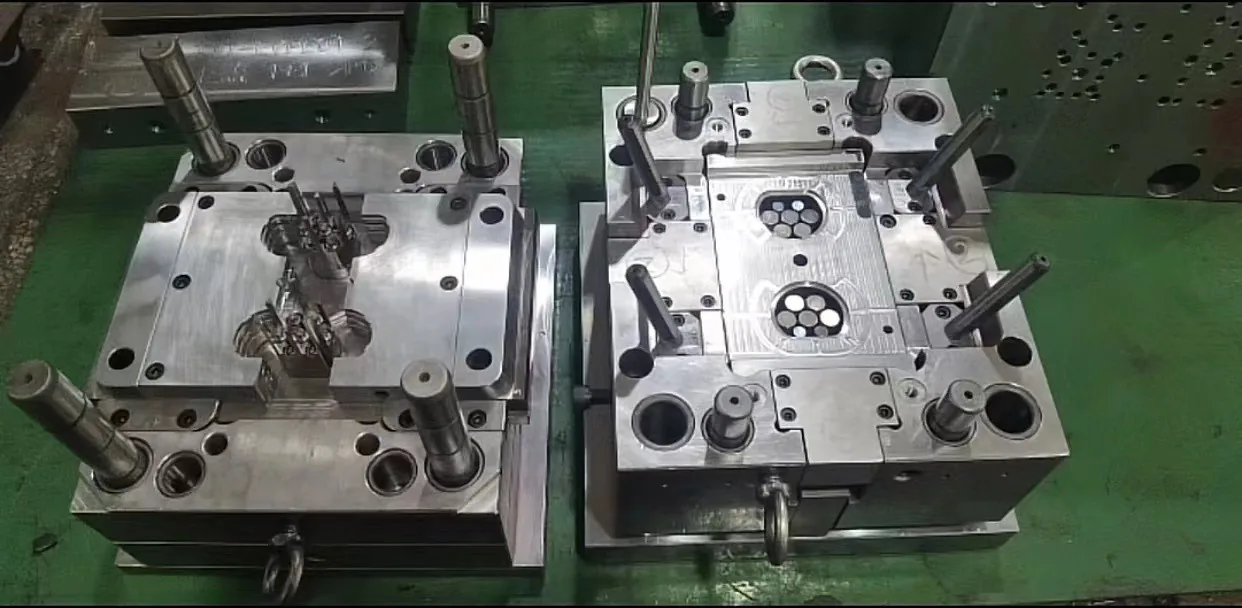
Cavity count is the biggest lever. A four-cavity tool does not cost four times a one-cavity tool, but it does cost more in steel, machining time and cooling design. It pays off when volume is high enough that the lower per-part cost recovers the tooling.
Steel choice matters too. Softer steel is faster to machine and fine for short runs. Hardened tool steel costs more up front but lasts through long production and holds its finish. Part size, deep ribs, undercuts and tight tolerances all add machining hours.
Then there is the runner system. A cold runner is simpler and cheaper. A hot runner adds cost but wastes less resin, which can save money over a long run. Surface finish and texture work are another line item.
The cost buyers forget
What a quote should list
Ask for the quote in writing, with the exclusions named. A clear quote gives the steel grade, cavity count, runner type, number of samples and who pays for mold testing. If one line is missing, ask about it before you compare numbers with another supplier.
Tooling is only part of the spend. Shipping, duties, mold modifications after the first sample and storage between runs all count.
A cheaper tool that needs three rounds of rework can end up more expensive than a well-built one that passes first-sample approval.
| Cost factor | What changes | Effect on price |
|---|---|---|
| Cavities | More impressions, more machining and cooling | Up, but cost per part falls at volume |
| Tool steel | Softer steel versus hardened tool steel | Hardened steel costs more and lasts longer |
| Runner system | Cold runner versus hot runner | Hot runner adds upfront cost, cuts resin waste |
| Surface finish | Polishing or texture work | Adds machining and hand finishing |
How to get a tighter quote
Give a supplier the drawing, expected yearly volume, resin and any finish requirement. If you only have an idea, a design-for-manufacturability review can flag expensive features early. Small changes to wall thickness or draft often cut cost without changing how the part works.
At Popper we review the geometry before quoting and tell you which choices are driving the price. You can send a drawing or a physical sample, and we will come back with a written quote.
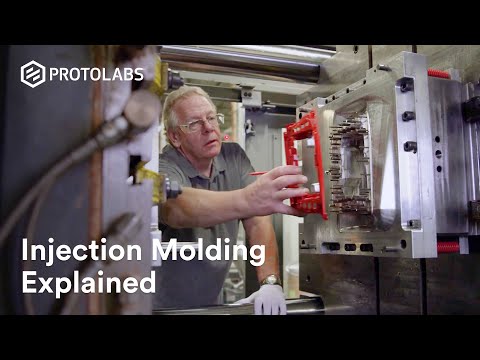
Watch the process
Questions about your own part? Send us the drawing for a quote.
Read about one-stop mold design and injection molding →