The drawing or sample
Send a 3D CAD file if you have one. STEP and IGES are widely accepted. A 2D drawing with key dimensions also works, and a physical sample is fine when there is no model. The more complete the geometry, the less time is spent on questions.
Mark the faces that matter. Functional dimensions, sealing surfaces and cosmetic faces should be called out. If everything is marked critical, nothing is, and the tool cost climbs.
Resin and color
Name the plastic you plan to run, or the properties you need if the grade is not chosen. Resin changes shrinkage, cooling time and the steel the mold needs. Add color and any material or texture requirement.
If you are unsure, say so. A supplier who works with the material every day can suggest a grade that fits the part and the budget.
Volume and timing
A forecast can be rough
Give a range if you do not have a firm number. Twenty to thirty thousand parts a year tells a supplier more than a single made-up figure. Say which number the quote should be based on, so both sides use the same assumption.
Annual volume is one of the biggest inputs. It decides cavity count and whether a hardened steel tool is worth the extra cost. A target launch date and an expected project life help too.
Be honest about uncertainty. A forecast of five thousand parts a year quoted as fifty thousand leads to the wrong tool and awkward conversations later.
Tolerance and finish
List the tolerances that are functionally important and the surface finish you expect. Texture, polishing and printing all affect the mold and the price.
Include packaging, inspection or assembly needs if you want them quoted. These are easy to leave out and then discover after the tool is paid for.
A copy-paste checklist
3D file (STEP/IGES) or 2D drawing or sample; resin and color; annual and peak volume; critical tolerances; cosmetic surfaces and texture; target date; packaging or assembly; whether mold testing and first sample are included.
Send that in one message and most suppliers can quote without a long round of follow-up questions.
| Item | Why the supplier needs it | If it is missing |
|---|---|---|
| 3D file or drawing | Cavity layout and steel estimate | The quote stays broad |
| Resin and color | Shrinkage, cooling and steel choice | Assumptions creep in |
| Annual volume | Cavity count and tool life | The wrong tool for the job |
| Tolerances and finish | Inspection and polishing work | Change orders later |
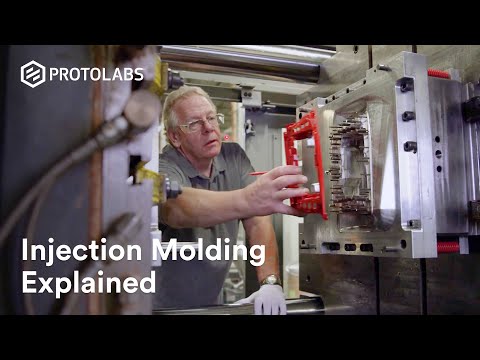
Watch the process
Questions about your own part? Send us the drawing for a quote.
Read about send an inquiry →